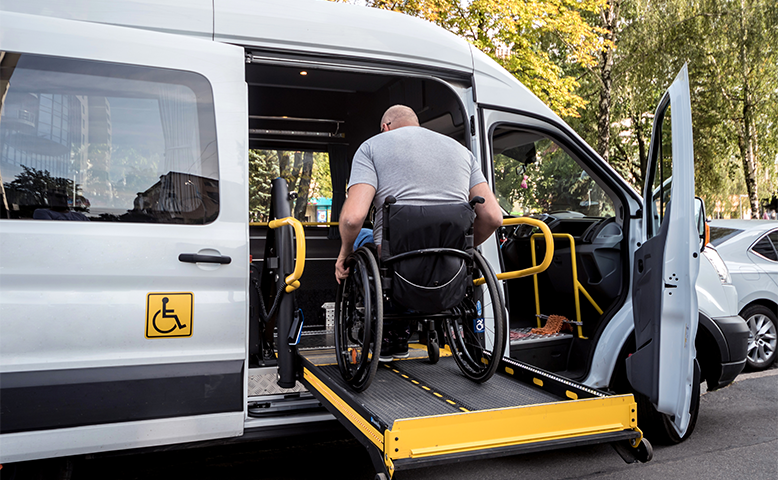
Getting to care should not feel like a puzzle. Yet, transportation problems still block many people from getting the help they need. In a national analysis, 21% of U.S. adults without a car and without nearby public transit said they went without needed medical care due to transportation barriers. That number is not just a stat. It is a missed refill, a delayed test, or a skipped follow-up.
That is where non emergency medical transportation can help. It supports people who need a ride to medical care, but who are not in a life-threatening emergency. It can include rides to doctor visits, dialysis, therapy, labs, and more. Also, Medicaid programs must ensure “necessary transportation” for beneficiaries to and from providers, which shows how essential this need is.
Below are 8 patient-focused benefits, explained in plain terms.
“I Can Make My Appointment” — Fewer Missed Visits
Missed visits can hurt your health. They can also slow down your care plan. So, one big WIIFM benefit is simple: you show up.
When rides feel uncertain, people cancel late or do not go. However, ride support removes that barrier. In fact, a research review looked at transportation interventions and tracked missed or kept visits as key outcomes. That matters because care works best when it happens on time.
Also, missed appointments cost clinics and health systems a lot each year. One widely cited industry estimate puts that cost at around $150 billion annually. Even if you never see that bill, you feel the impact. You may wait longer for the next slot.
What you gain right away:
More on-time checkups
Fewer “we need to reschedule” calls
Faster steps to answers
Better Health Routines for Ongoing Care
Many conditions need repeat visits. Think dialysis, chemo, wound care, PT, or mental health therapy. So, reliable rides support steady routines.
Because you keep your schedule, you can:
Track symptoms sooner
Adjust meds faster
Catch side effects early
That is not a small thing. Small delays can grow into big problems. Also, regular care can reduce the need for urgent visits later. Transportation support helps you stay in the “planned care” lane.
This is also where non-emergency medical transportation can help with preventive care. For example, a ride to a screening may find an issue early. Then, treatment often becomes simpler.
And there is another benefit. When you arrive on time, your care team can do their job better. That means fewer rushed visits and fewer gaps in your chart. So, while the ride feels basic, the ripple effect is real.
Safer Trips for Patients Who Need Extra Support
A trip to the doctor can feel risky when your body feels weak. You may feel dizzy. You may use a walker. Or you may tire easily. So, safety becomes a clear WIIFM benefit.
With non-emergency medical transportation, the ride plan often fits the patient’s needs. That can mean help getting in and out of the vehicle. It can also mean fewer transfers between cars, buses, and trains.
Also, many people leave appointments with new instructions. You may get labs done. Then you may feel worn out. A safer return trip helps protect you when you feel least steady.
This does not replace emergency care. Instead, it supports non-urgent medical trips that still matter. In short, you lower travel risk while you protect your energy for healing.
Less Stress and More Peace of Mind
Stress can drain you before you even reach the clinic. You may worry about traffic. Or you may worry about being late. You may also worry about asking your family again.
So, one of the biggest benefits is emotional. When the ride plan feels stable, your mind can settle.
“When I know the ride is set, I can focus on my appointment.”
Also, transportation barriers hit hardest when options are limited. The same national work that found “one in five” people skipping care highlights how transportation can block access.
That is why non-emergency medical transportation is not just about miles. It is about reducing the mental load.
Small stress wins add up:
Fewer last-minute scrambles
More control over your day
More confidence before tough visits
A Simple Checklist for a Smooth Ride
This next benefit is practical. A clear ride routine helps you avoid forgotten paperwork, missed meds, and last-second stress. So, use a simple checklist.
| Before you go | During the ride | After the visit |
| – Pack your ID and insurance card – Bring your meds list – Take water and a snack | – Keep your phone on – Confirm the clinic address – Ask for help if you feel unwell | – Schedule follow-ups – Review new instructions – Store papers in one folder |
Because routines reduce errors, they protect your time and your health.
Also, this table helps caregivers too. They can prep you faster, and they can track what changed after the visit. So, the “benefit” here is fewer surprises.
More Independence, Even Without a Car
Needing help does not mean losing independence. Yet many patients feel that way. They may avoid care because they do not want to burden others.
However, non-emergency medical transportation can give you a way to get to care without relying on a friend’s work schedule. That can feel freeing.
This matters for older adults, people with disabilities, and people who do not drive. It also matters when family lives far away.
Also, Medicaid’s transportation assurance exists for a reason. It recognizes that care access includes getting to the provider.
So, the WIIFM is clear:
You keep more control
You protect your relationships
You say “yes” to care more often
Support for Family Caregivers
Caregivers do a lot. They manage meds. They track symptoms. They coordinate appointments. Then they often drive too.
So, ride support can reduce caregiver strain. It can also prevent missed work hours. Plus, it can lower burnout over time.
Here is what that looks like in real life:
A daughter does not have to leave work early.
A spouse does not have to lift a walker into a car.
A neighbor does not have to guess clinic parking rules.
Also, when caregivers feel less stretched, patients often feel less guilt. That emotional relief can matter as much as the ride itself.
“It helps when my family can support me without doing everything.”
So, while the patient rides, the whole household breathes easier.
Know What to Ask Before You Book
This final section covers two benefits: fewer mix-ups and better dignity. Both start with good questions.
Questions that protect your time
Ask these before you schedule:
What is the pickup window?
What happens if the appointment runs late?
Can the ride handle mobility aids?
Questions that protect your comfort
Ask these too:
Will the driver help with doors and steps?
Can I bring a caregiver with me?
How is my personal information handled?
A good plan helps you avoid delays. It also helps you feel respected. And dignity matters when you already feel vulnerable.
Also, research and policy sources treat transportation as part of access to care, not a “nice extra.” That supports the idea that patients deserve safe, reliable ways to reach providers. So, non emergency medical transportation can deliver a real benefit: you feel seen, not rushed.
Conclusion
When you can get to care, you can protect your health. You can keep routines. You can reduce stress. And you can stay more independent. Those wins matter on day one, not just “someday.”
Also, if you are comparing options, focus on your needs first. Think safety, timing, and support. Then, pick what helps you show up with less worry. And if you ever need medical transportation in Fairfield County, Safe Path Transit provides non emergency medical transportation with a patient-first focus.