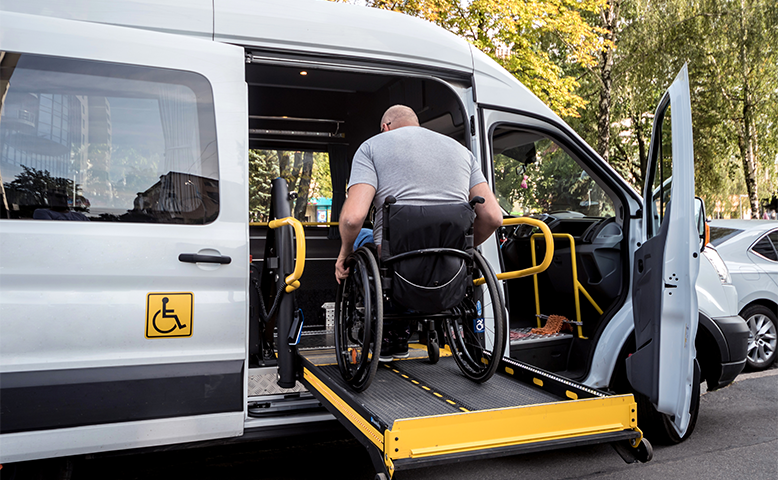
Getting to an appointment should not feel like a puzzle. Yet, when you or a loved one uses a wheelchair, simple plans can turn stressful fast. The good news is you can set up wheelchair transportation with less worry when you follow a clear process.
In this blog, you will learn what to ask, what to check, and what to do on ride day. You will also save time, avoid surprises, and feel more in control. Most of all, you will protect comfort and safety, which is the real goal. So, let’s walk through it step by step, in plain language, as a helpful friend would.
Start With Your Needs First
First, get clear on what you need from the ride. This helps you book faster. It also helps the driver arrive ready. Even small details matter, because wheelchairs and bodies are not all the same.
Before you call or book, write down these basics:
Trip details
Pickup address and drop-off address
Appointment time and return time
Any stops you must make
Wheelchair details
Manual or power chair
Chair width, if you know it
Any extra equipment attached
Support needs
Do you need door-to-door help?
Do you need a companion seat?
Do you use oxygen or a walker, too?
Next, think about the building. For example, does it have stairs? Also, is parking tight? When you share this early, you reduce delays. And you lower stress for everyone.
Pick the Right Type of Ride
Now, choose the right vehicle for wheelchair transportation. Some rides work for folding chairs. Others work on power chairs. So, match the ride to the chair, not the other way around.
Look for features like a ramp or lift. Also, ask about secure tie-down points. These keep the chair steady during turns and stops. In addition, ask about the space inside the vehicle. Tight space can make transfers harder.
Here is a simple rule: if the chair stays in the vehicle, the vehicle must secure it well.
“A safe ride is not only about arriving. It’s about staying steady the whole way.”
Also, consider your comfort. For instance, a smoother ride matters if you have pain. Plus, climate control matters in hot or cold weather. When you plan for comfort, you arrive calmer. And that helps your whole day.
Gather Key Info Before You Book
Once you know your needs, collect the details a provider will ask for. This saves time on the phone. It also reduces booking errors. And it helps you get the right wheelchair transportation the first time.
Keep this list handy:
Personal details
Full name and phone number
Emergency contact
Any communication needs
Medical visit details
Clinic or hospital name
Department or entrance to use
Notes like “check-in is on floor 3.”
Mobility details
Can you transfer, or stay seated?
Do you need help with a ramp?
Do you use a seat cushion that must stay in place?
Then, share any timing limits. For example, tell them if you cannot sit long. Also, mention if you need extra loading time. When you share this up front, you protect your comfort. And you cut down on last-minute issues.
Ask Safety Questions That Actually Matter
Safety questions should feel simple. Yet, they make a big difference. So, ask them every time you arrange wheelchair transportation. Also, write down the answers.
Use this quick table to guide the call:
| What to ask | Why does it help you |
| Do you secure the chair with tie-downs? | You reduce sliding and tipping risk. |
| Do drivers help with ramps and doors? | You avoid unsafe pushing or pulling. |
| Do you offer door-to-door or curb-to-curb? | You match support to your situation. |
| Is the vehicle lift or ramp rated for power chairs? | You prevent equipment strain or failure. |
| What is your late policy and wait time? | You avoid missed visits and added costs. |
Also, ask how they handle bad weather. Then, ask how they handle traffic delays. These answers help you plan a backup. As a result, you protect your schedule and peace of mind.
Plan the Timing With Breathing Room
Timing can make or break the day. So, build in a cushion. If your visit starts at 10:00 a.m., do not plan arrival at 9:58 a.m. Instead, aim for early. That way, you can handle elevators, check-in lines, and parking limits.
A good approach is to plan:
Earlier pickup than you think you need
Extra time for loading and unloading
A clear plan for the return ride
Also, choose a pickup spot that feels safe. For example, pick a flat area with room to turn. Then, avoid steep driveways when possible.
“You are not ‘early.’ You are protecting your whole day.”
If you live in an apartment, set a meeting point. Likewise, if you go to a big hospital, pick an entrance. When the pickup spot stays clear, the ride starts smoother.
Understand Cost and Payment Options
Money worries add stress. So, ask about cost early when arranging wheelchair transportation. Also, ask what changes the price. For example, stairs, long wait time, extra stops, and distance can affect cost.
If you have insurance, ask if it covers non-emergency rides. Some plans cover certain trips. Others require approval first. Also, some public programs may cover rides for medical visits in specific cases. Rules vary by state and plan, so you should confirm with your insurer.
When you talk about cost, ask these questions:
Is the price one-way or round-trip?
Do you charge wait time at the clinic?
What happens if the appointment runs late?
Do you charge for a companion rider?
When you know the cost rules, you avoid surprise bills. And you can plan a ride you can keep using.
Get Your Wheelchair and Bag Ready
Preparation helps your body and your mind. So, do a quick setup the night before wheelchair transportation day. Small steps can prevent big problems.
Use this short list:
Charge power chair batteries fully.
Check tire pressure if your chair has air tires.
Secure loose parts like footrests or bags.
Pack meds, water, and a snack, if allowed.
Bring a light blanket for cold waiting rooms.
Also, keep papers in one place. For example, bring your ID, insurance card, and appointment details. Then, pack a phone charger. If you use a cushion or support strap, double-check that it sits right.
Finally, dress for easy movement. Layers help too. When your body feels steady, the ride feels easier. And you arrive less tired.
Use a Simple Day-Of Plan
Ride day can feel tense. However, a simple plan keeps you grounded. So, use these mini steps for wheelchair transportation day.
Quick checklist
Be ready 15 minutes early.
Keep your phone on and nearby.
Turn on porch lights if it is dark.
Lock pets away from the door area.
If plans change
Call as soon as you know. Then, share the new time. Also, ask about rescheduling fees. If the ride runs late, tell the clinic too. That step can protect your appointment slot.
As the final step, write down what worked. Next time, booking will feel easier.
Conclusion:
When you follow these steps, wheelchair transportation becomes a repeatable routine, not a stressful event. And if you ever need a local option, Safe Path Transit provides wheelchair transportation with a focus on comfort, dignity, and wheelchair-ready vehicles.